Best Coffee Shops
The Ultimate 2026 Guide to Concord Specialty Coffee and Beyond
Welcome to the definitive 2026 guide for finding the absolute best coffee shops in Concord and the surrounding Mount Diablo region. Whether you are commuting from Brentwood to Walnut Creek or taking a morning stroll around Todos Santos Plaza, discovering a perfectly pulled espresso changes your entire day. The East Bay coffee scene has evolved massively over the last few years. We are seeing a surge in passionate local roasters and dedicated baristas across Pleasanton, Livermore, San Ramon, Danville, Pleasant Hill, and Antioch. Searching for Concord specialty coffee no longer means settling for burnt beans or sugary syrups. Today, local cafes prioritize ethically sourced single origin roasts and precise brewing methods. As you explore the diverse neighborhoods surrounding Mount Diablo, you will find vibrant community hubs pouring exceptional cups. Before we dive deep into the fascinating world of modern coffee culture and regional roasting styles, we want to highlight an absolute standout. Here is our top vetted professional pick for your next morning brew.
Understanding the Art and Science of Modern Coffee Brewing
Stepping into a premium cafe today is vastly different from the coffee experiences of the past. The industry has fully embraced a scientific approach to brewing, transforming a simple morning ritual into a precise culinary art. When you visit the top cafes near Concord, you are witnessing a delicate balance of chemistry and passion. Coffee beans are agricultural products, meaning their flavor profiles are entirely dependent on soil quality, altitude, and climate. Modern roasters treat these beans with immense respect, developing light to medium roast profiles that highlight natural tasting notes rather than masking them with heavy carbon flavors.
To truly appreciate the best coffee shops in Concord, it helps to understand the meticulous standards behind every cup. The extraction process is where the magic happens. Baristas must monitor water temperature, grind size, and pressure to pull the perfect espresso shot. If the grind is too coarse, the water rushes through, resulting in a weak and sour beverage. If the grind is too fine, the water struggles to pass, creating a bitter and astringent taste. The ideal extraction time usually falls between twenty five and thirty seconds, yielding a rich crema and a beautifully balanced flavor.
Pour over coffee has also become a staple in specialty cafes across the Mount Diablo region. This manual brewing method allows baristas to control every variable of the brewing process. By slowly pouring hot water over fresh grounds in a circular motion, they ensure even saturation and optimal flavor extraction. This technique brings out the delicate floral and fruity notes of single origin beans, providing a cleaner and more nuanced cup compared to traditional drip machines. It requires patience and skill, but the resulting beverage is well worth the wait.
Beyond just the roasting phase, the processing method of the coffee cherry greatly dictates the final flavor profile you experience in your cup. Farmers use either a washed process, which strips the fruit away quickly to produce a clean and crisp flavor, or a natural process, where the cherry dries on the bean to impart vibrant, heavy fruit notes. When you order a specialty pour over in town, engaging the barista about the processing method will dramatically enhance your appreciation of the beverage.
Spotting a truly exceptional cafe requires knowing what to look for. When you walk into a new coffee destination, keep an eye out for these vital indicators of quality:
Freshly roasted beans with clear roast dates printed directly on the packaging.
Baristas who actively weigh both the coffee grounds and the espresso yield for consistency.
Clean steam wands that are purged and wiped immediately after every single milk steaming session.
A curated menu focusing on traditional espresso beverages rather than overly complicated sugary concoctions.
Another major shift in the industry involves ethical sourcing and sustainability. The finest local roasters now build direct relationships with coffee farmers around the world. This direct trade model ensures that farmers receive fair compensation for their hard work and sustainable farming practices. By paying premium prices for exceptional green coffee, roasters help improve the livelihoods of agricultural communities while securing the highest quality beans for their customers. When you purchase a cup of Concord specialty coffee, you are often supporting a global network of dedicated artisans.
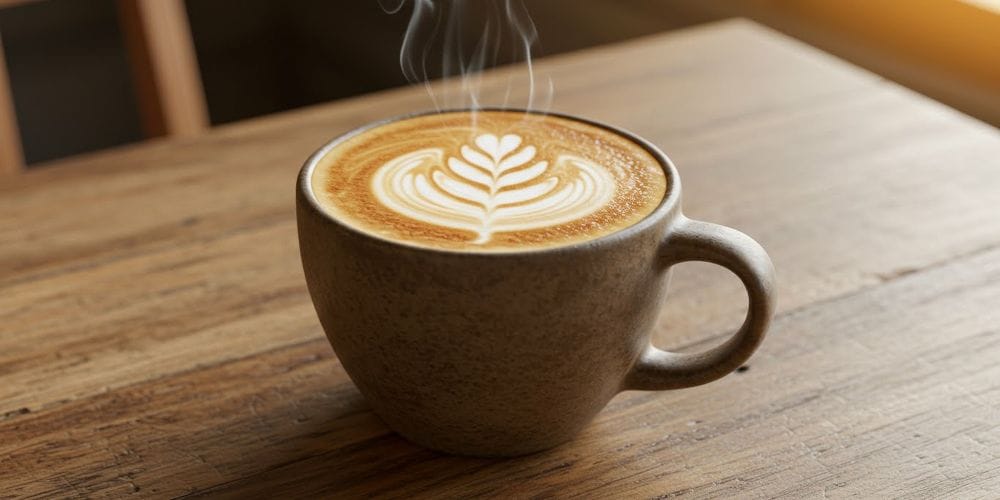
Milk texture is another critical component of the modern coffee experience. Whether you prefer dairy or plant based alternatives, the way milk is steamed drastically impacts the final beverage. Expert baristas introduce just enough air to create a velvety microfoam, which naturally enhances the sweetness of the milk without making it excessively hot. This perfectly textured milk is what allows for the creation of intricate latte art, serving as a visual testament to the skill of the person behind the espresso machine.
Common industry problems still exist, and educated consumers should know how to identify them. Be cautious if you notice the following red flags during your cafe visits:
Oily coffee beans sitting in the grinder hoppers, which indicates stale or over roasted coffee.
Loud screeching sounds during the milk steaming process, revealing improper aeration techniques.
Pre ground coffee being used for espresso shots, leading to rapid flavor degradation and weak crema.
Syrup pumps dominating the counter space, suggesting the cafe relies on sugar rather than bean quality.
By understanding these technical standards and diagnostic tips, you elevate your daily coffee routine from a simple caffeine fix to a true tasting experience. The dedication required to master these skills is immense, and the baristas throughout Walnut Creek, Pleasant Hill, and Concord work tirelessly to perfect their craft. As we move further into 2026, the baseline for quality continues to rise, pushing local shops to innovate and refine their techniques even more.
Sipping Through the Mount Diablo Microclimates
The unique geography of the East Bay plays a surprising role in local coffee culture. Concord and its neighboring cities sit in a valley dominated by the majestic Mount Diablo, creating specific microclimates that influence how we consume our daily brew. During the intense summer heatwaves that sweep through Antioch, Brentwood, and Livermore, the demand for perfectly extracted cold brew and iced pour overs skyrockets. Local cafes adapt by dialing in cold extraction methods that take up to twenty four hours, resulting in a smooth, low acid beverage that provides essential relief from the blazing sun.
Conversely, the foggy, crisp winter mornings in San Ramon, Danville, and Pleasanton call for rich, comforting espresso beverages. The physical layout of these communities also shapes the cafe experience. Concord features a mix of sprawling suburban neighborhoods and dense commercial zones like the Monument Corridor and Todos Santos Plaza. This structural diversity means you can find everything from cozy neighborhood corner shops serving foot traffic to high volume commuter cafes positioned strategically near major transit routes.
Furthermore, local utility water quality directly impacts coffee flavor. Water makes up over ninety eight percent of a cup of coffee. The East Bay Municipal Utility District provides distinct regional water, and elite Mount Diablo coffee roasters utilize advanced reverse osmosis filtration systems to strip out local minerals and rebuild the water profile to exact Specialty Coffee Association standards. This hyper local attention to water chemistry ensures that your latte tastes flawless regardless of whether you are in Walnut Creek or Concord.
What makes Concord specialty coffee different from large corporate chains?
Independent shops in Concord focus on meticulous bean sourcing and precise brewing parameters rather than mass uniformity. They rotate their single origin offerings based on global harvest seasons, meaning the flavor profiles are constantly evolving and vibrant. Local baristas undergo extensive training to adjust their espresso grinders daily, accounting for local East Bay humidity and temperature changes to ensure every shot pulls perfectly.
Where can I find the best coffee shops in Concord for remote work?
Many cafes around Todos Santos Plaza and the broader Concord area are designed specifically for remote workers and students. You will want to look for locations offering robust internet connections, ample wall outlets, and large communal tables. Establishments in neighboring Pleasant Hill and Walnut Creek also feature spacious outdoor patios that are perfect for answering emails while enjoying the mild East Bay weather.
How do Mount Diablo coffee roasters ensure bean freshness?
Top regional roasters across Livermore, Danville, and Concord employ a strict roast to order philosophy. They roast in small batches multiple times a week and deliver directly to local cafes immediately after the beans have had time to properly rest and degas. This hyper local distribution network prevents coffee from sitting on shelves for months, guaranteeing that consumers enjoy the product at its absolute peak flavor potential.